NVIDIA to Contribute 15% of China Sales to U.S. Government
Key Highlights
- 15% Revenue Payment: Nvidia and AMD will each pay 15% of their China-based AI chip sales to the US government.
- Chips Affected: Nvidia’s H20 and AMD’s MI308, both high-performance AI chips.
- Market Access Trade-off: Deal enables export licences amid easing US-China trade tensions.
- Unprecedented Move: Analysts say it sets a costly precedent for market entry in restricted regions.
- US-China Trade Thaw: Comes during a 90-day tariff truce, with talks ongoing before August 12 deadline.
- Massive US Investments: Tech giants, including Nvidia, Apple, and Micron, are committing hundreds of billions to US operations.
Introduction
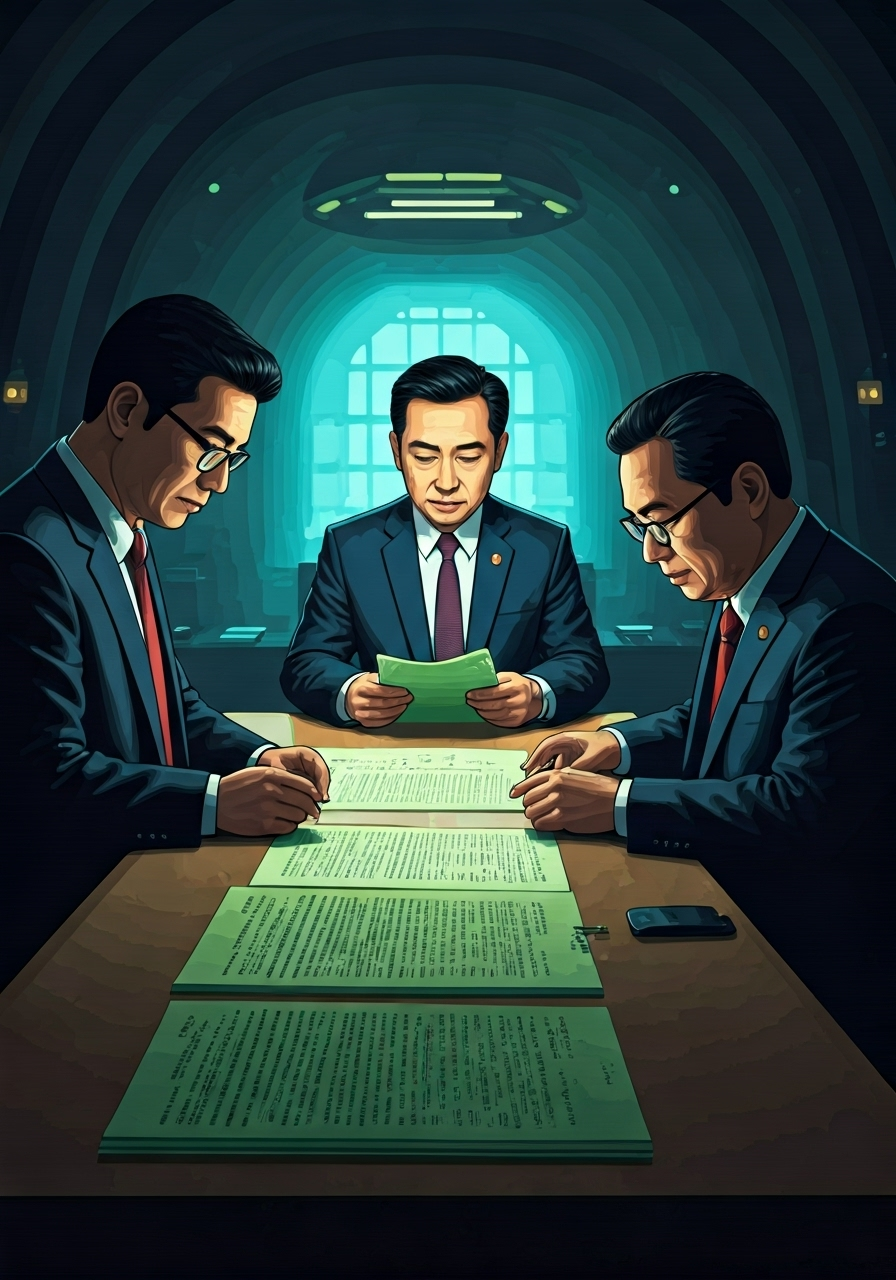
In a landmark move amid easing US-China trade tensions, semiconductor giants Nvidia and AMD have reportedly agreed to pay 15% of their China-based chip sales revenue to the US government. This unprecedented arrangement aims to secure export licences for their advanced AI chips, reopening access to the world’s second-largest economy.
The Details of the Agreement
According to sources close to the matter, the agreement covers:
- Nvidia’s H20 AI chips – developed specifically for China after 2023 US export restrictions.
- AMD’s MI308 AI chips – also designed for high-performance AI workloads.
Under the deal, Nvidia and AMD will each remit 15% of related Chinese sales revenue directly to Washington. The Financial Times first broke the story, later confirmed by BBC sources.
Why This Matters for the Semiconductor Industry
Charlie Dai, Vice President at Forrester, calls the arrangement “unprecedented”, underscoring the high cost of market access during ongoing tech trade disputes. While Washington previously blocked Nvidia’s H20 chip exports over national security concerns, this agreement reopens the door — at a price.
A Complex Backdrop: US-China Trade Relations
The deal follows a 90-day tariff truce agreed in May 2025 between Washington and Beijing. Since then:
- China has eased restrictions on rare earth exports.
- The US has lifted some limits on chip design software firms operating in China.
Still, uncertainty remains as the August 12 deadline approaches for extending the tariff pause.
Corporate Reactions and Investments
Nvidia’s CEO Jensen Huang — who reportedly met President Trump last week — has been lobbying both sides for months. Nvidia says it supports US rules and hopes America can “compete in China and worldwide”.
This development comes alongside massive tech investments in the US:
- Apple: $100bn additional pledge over four years.
- Micron Technology: $200bn in planned US facilities, like those in Idaho and Virginia.
- Nvidia: up to $500bn for AI servers and supercomputers entirely made in America. Nvidia said it had commissioned more than a million square feet of manufacturing space to build and test supercomputers in Texas, partnering with Foxconn in Houston and Wistron in Dallas, two Taiwanese electronics manufacturers.
What Analysts Are Saying

Trade and policy experts are split on the implications of the Nvidia-AMD revenue-sharing arrangement.
The Pragmatic Compromise Perspective:
Supporters argue that the deal is a realistic workaround to break the deadlock between US export restrictions and China’s demand for advanced chips. By agreeing to a 15% revenue payment, Nvidia and AMD regain access to the massive Chinese AI market without directly challenging US trade policy. This approach allows Washington to maintain political leverage while letting American companies continue competing globally. Advocates also note that such a structure could become a template for other high-tech sectors navigating geopolitical friction.
The National Security Skepticism:
Critics contend that the deal sidesteps the core security concerns that led to export restrictions in the first place. US officials had warned that advanced AI chips could strengthen China’s military capabilities and surveillance infrastructure. A financial payment to the US government does nothing to change how the chips are used once they reach Chinese buyers.
In short, the divide boils down to whether this is strategic diplomacy or a risky compromise.
Conclusion
The Nvidia-AMD 15% revenue deal represents a significant shift in US-China tech diplomacy. It may pave the way for renewed cooperation — or set a costly precedent for other industries navigating the intersection of geopolitics and global markets.
Leave a Reply