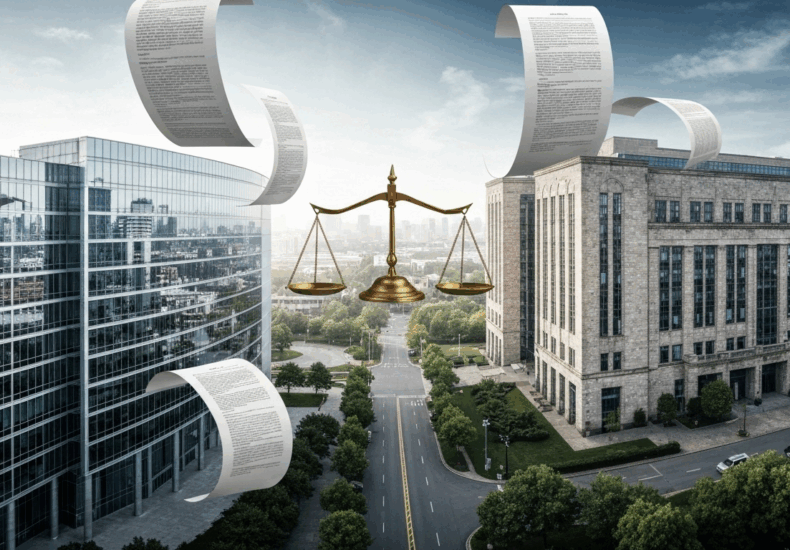
Google and Apple Dodge an Antitrust Bullet: Key Insights
Introduction: AI Turns from Threat to Savior
When OpenAI’s ChatGPT launched in 2022, Silicon Valley was abuzz with speculation that generative AI would undermine Google’s lucrative search business. Yet, three years later, the technology that threatened to disrupt the tech giant has instead become its saving grace. On September 2, 2025, U.S. federal judge Amit Mehta decided not to dismantle Google, despite previously declaring it an illegal monopolist. His reasoning was simple yet profound: AI “changed the course of this case.”
Key Highlights
- Judge Mehta’s Decision: Google avoids structural breakup despite monopoly ruling.
- AI’s Role: Generative AI transformed the competitive landscape, softening antitrust concerns.
- Ripple Effect: Apple and other big tech firms benefit indirectly.
- Future Outlook: AI continues to blur regulatory lines in competition law.
From Monopoly Menace to AI Pioneer
In 2023, Google faced intense legal scrutiny for its dominance in search and digital advertising. The U.S. Department of Justice argued that the company stifled competition and maintained a monopoly through exclusive deals. However, as AI tools like ChatGPT and Anthropic’s Claude redefined how people access information, Google swiftly integrated AI features such as Search Generative Experience (SGE) and Gemini into its ecosystem.
Judge Mehta acknowledged that these innovations shifted market dynamics. The emergence of AI-driven competitors proved that Google’s grip on search was no longer as absolute as it once appeared.
The AI Defense: A Legal Game Changer
The ruling underscores a new reality in tech regulation — innovation can redefine the market faster than the law can react. By adopting AI, Google demonstrated adaptability, not stagnation. Mehta emphasized that generative AI had created a “new and unpredictable competitive frontier,” making structural remedies like a breakup less justifiable.
In essence, AI’s unpredictability became Google’s strongest legal argument.
Apple’s Quiet Win in the Crossfire
Apple, too, dodged a potential legal storm. As a frequent partner — and sometimes rival — of Google, Apple was implicated in antitrust discussions due to its lucrative deal making Google the default search engine on iPhones. But as AI-driven tools like Siri GPT and Apple Intelligence reshape user behavior, regulators find it harder to define clear market boundaries.
Both companies now find themselves positioned not as monopolists, but as AI innovators navigating an evolving digital ecosystem.
The Broader Impact on Big Tech Regulation
This case sets a precedent: regulators must now consider technological evolution when defining market power. The AI boom has fragmented user attention across countless platforms — from chatbots and voice assistants to AI-powered browsers — reducing Google’s traditional dominance in search.
For policymakers, the lesson is clear: tech monopolies may not crumble under legal pressure, but rather evolve out of obsolescence.
Conclusion
AI was once heralded as the great disruptor of Big Tech — now it’s the savior of Silicon Valley’s titans. Judge Mehta’s decision represents more than a legal victory for Google and Apple; it’s a turning point in how the law perceives innovation. As generative AI continues to transform industries, the boundary between monopoly and market evolution grows ever more blurred.
Leave a Reply