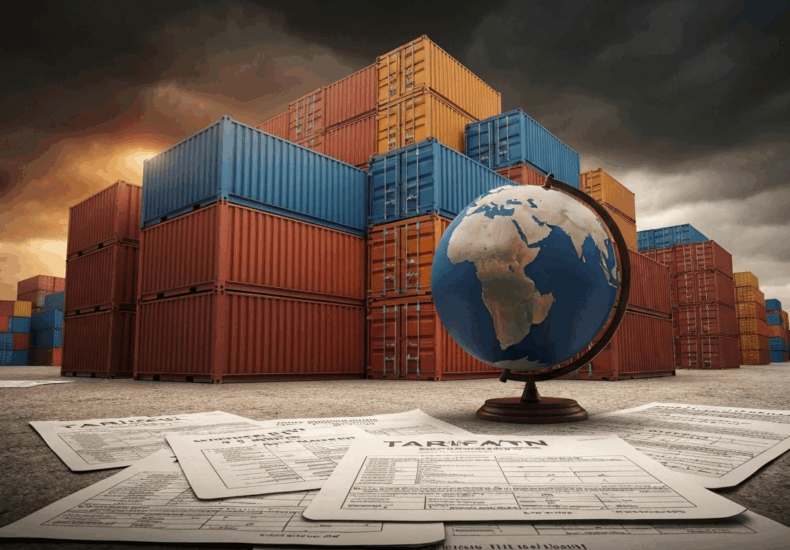
How President Trump reignites trade tensions with tariffs
Introduction
The Trump administration is ramping up pressure on global semiconductor supply chains. According to reports, the White House is considering tariffs on imported electronics based on the number of chips inside each device. At the same time, President Trump is demanding that Taiwan Semiconductor Manufacturing Company (TSMC) and its ecosystem relocate production so that half of U.S. chip demand is met domestically.
These dual strategies highlight Trump’s determination to reduce reliance on foreign-made chips, which the administration views as both an economic vulnerability and a national security risk. But industry experts warn that such measures could prove inflationary, strain international relations, and test the limits of global manufacturing.
Key Highlights
- Tariff plan: U.S. considering levies on imported electronics based on chip content.
- Proposed rates: 25% tariffs on chip-based imports; 15% for Japan and the EU.
- TSMC under pressure: Trump urging Taiwan to relocate fabs and suppliers to meet 50% of U.S. chip demand domestically.
- Massive investment: TSMC pledged $165 billion in U.S. projects, but experts call the scale unrealistic.
- Consumer impact: Potential rise in prices for goods ranging from toothbrushes to laptops.
- Geopolitical stakes: Taiwan resists U.S. demands, citing the impossibility of controlling the entire semiconductor supply chain.
Trump’s Tariff Plan: Taxing Electronics by Chip Count
According to Reuters, the Commerce Department is weighing tariffs on foreign-made electronics proportional to the value of their semiconductor content. That means consumer goods like laptops, tablets, smartphones, and even household electronics could face higher import costs.
Preliminary figures suggest:
- 25% tariffs on most chip-related imports.
- 15% tariffs on electronics from Japan and the EU.
- Possible exemptions tied to U.S. manufacturing investments, though Trump has resisted broad carve-outs.
Economists warn such tariffs could raise consumer prices “at a time when the U.S. already faces elevated inflation,” with potential knock-on effects for domestically produced goods that rely on imported chip components.
Taiwan in the Crosshairs: The 50% Relocation Demand
Separately, the White House has pressed Taiwan to relocate a massive portion of its semiconductor production to the U.S. Commerce Secretary Howard Lutnick recently insisted that half of America’s chip demand must be met domestically to secure supply chains against geopolitical risks.
Trump has dangled tariff relief in exchange for TSMC’s U.S. investments, which include:
- $100 billion in new American fabs announced in 2025.
- $65 billion in earlier U.S. commitments.
Yet analysts argue the numbers strain credibility. Meeting the U.S. demand target would require redirecting a double-digit share of TSMC’s global capital budget every year, while also convincing a vast network of suppliers to relocate.
Challenges to Reshoring the Chip Supply Chain
- Dozens of component and material suppliers.
- Advanced packaging and testing facilities.
- Highly specialized labor and logistical networks.
Industry insiders warn that a “1:1” chip production mandate or punitive tariffs could spook multinational tech firms and even provoke retaliation from China, which claims sovereignty over Taiwan.
Impact on U.S. Consumers and Inflation
If tariffs move forward, consumers could see rising costs across a wide range of products:
- Everyday goods like toothbrushes, headphones, and appliances.
- High-ticket items such as laptops, smartphones, and cars.
Even domestically manufactured goods may become more expensive, since many rely on imported semiconductor inputs. Economists at the American Enterprise Institute caution this could worsen inflation already running above the Federal Reserve’s 2% target.
Geopolitical Implications
The push to onshore chip supply is not just economic policy — it’s part of Trump’s broader strategy to reduce dependence on China and secure critical industries. But Taiwan has resisted, warning that no single nation can fully control the semiconductor chain.
Taiwan faces a difficult choice:
- Cooperate with U.S. demands, potentially weakening its “silicon shield.”
- Push back, risking continued U.S. trade pressure and coercion.
The outcome will shape not only U.S.–Taiwan relations but also the balance of power in the global semiconductor industry.
Conclusion
Trump’s twin strategies — tariffs tied to chip content and pressure on Taiwan to relocate production — underscore how central semiconductors have become to U.S. trade and national security. While the policies may encourage new investment in domestic chipmaking, they carry significant risks: higher consumer prices, strained alliances, and a disruptive reordering of global supply chains.
With negotiations ongoing and tariffs still under consideration, the coming months will determine whether these measures succeed in reshoring semiconductor production — or whether they backfire, fueling inflation and geopolitical friction.
Leave a Reply