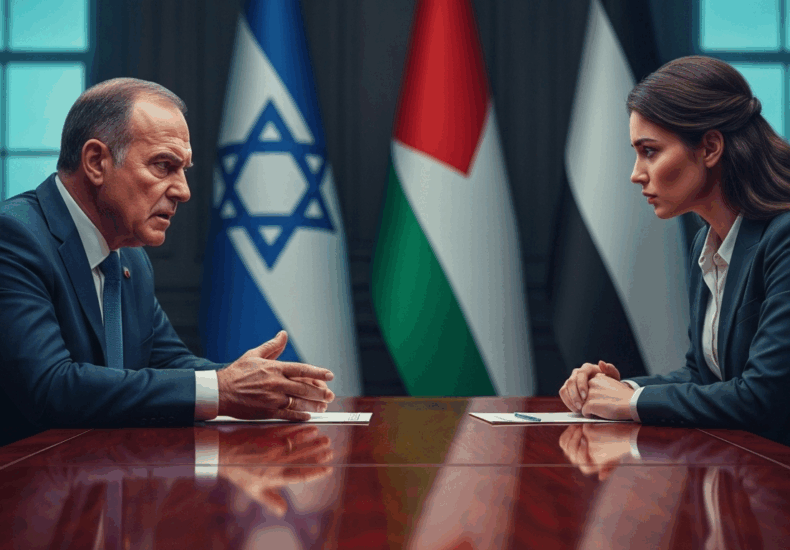
Trump Pushes Israel, Hamas to Strike Deal With Talks Set to Open
Introduction: A Surprising Turn in the Gaza Conflict
Diplomatic momentum has returned to the Middle East, this time driven by former U.S. President Donald Trump. On October 5, 2025, Trump called on Israel and Hamas to finalize a ceasefire agreement through indirect talks expected to open in Egypt’s Sharm el-Sheikh. The negotiations come after months of relentless violence and growing international pressure for a durable peace framework. Trump’s proposal — a 20-point peace plan — represents the boldest American intervention since his administration’s 2020 Abraham Accords.
The plan’s ambition is unmistakable: immediate cessation of fighting, the exchange of hostages and prisoners, phased Israeli withdrawal, and the establishment of an interim governing body in Gaza under international supervision. Once considered politically unthinkable, this initiative signals a dramatic shift in how Washington, Jerusalem, and even Hamas view the future of the enclave.
Key Highlights of the Peace Push
The new peace effort proposes a complete ceasefire contingent on Hamas’s confirmation of the plan, followed by the release of all hostages, both living and deceased, within days of signing. Israel, in turn, would begin a phased withdrawal from Gaza, conditional upon verified demilitarization and destruction of Hamas’s tunnel and weapons infrastructure. The agreement also envisions a transitional Palestinian administration composed of technocrats, aided by international oversight to stabilize governance and launch reconstruction.
Trump’s ultimatum is clear: Hamas must accept the plan or face intensified consequences, both diplomatic and potentially military. Sources close to the talks suggest that Trump’s advisors view this deadline as critical to maintaining momentum and avoiding a repeat of stalled peace efforts in the past.
The Negotiation Framework: Egypt Takes the Stage
Talks are expected to be mediated by Egyptian officials, a trusted broker in prior Israel-Hamas ceasefire efforts. While no direct meetings between Israeli and Hamas representatives are planned, envoys will shuttle between delegations to finalize initial agreements on hostage exchanges and ceasefire terms.
According to reports, the framework follows a structured path: an immediate truce, humanitarian access corridors, prisoner swaps, withdrawal sequencing, and finally, reconstruction efforts backed by Gulf and Western donors. Though complex, the design of the talks reflects lessons learned from past failures — emphasizing verification, security guarantees, and clearly defined enforcement mechanisms.
Still, challenges remain steep. Hamas continues to resist complete demilitarization, while Israel demands concrete assurances that Gaza will never again be used as a launching ground for attacks. Trust, as always, is the rarest currency in the Middle East.
Challenges and Political Undercurrents
Behind the scenes, both sides are grappling with domestic political tensions. In Israel, Prime Minister Benjamin Netanyahu faces pressure from far-right factions opposed to any withdrawal or concessions to Hamas. Meanwhile, within Gaza, Hamas leaders must balance negotiation with maintaining legitimacy among Palestinians who view surrendering arms as capitulation.
Trump’s reemergence as a mediator has added another layer of intrigue. His approach — direct, transactional, and publicly framed as a “final opportunity” for peace — mirrors his campaign-era style of high-stakes diplomacy. Yet, critics argue that setting firm deadlines risks forcing fragile discussions into collapse. The White House has reportedly taken a cautious stance, observing developments while avoiding overt interference in Trump’s unofficial efforts.
Regional and Global Implications
If the talks progress, the repercussions could reshape not just Gaza but the broader Middle East. Egypt’s successful mediation would strengthen Cairo’s regional influence, while Gulf nations — particularly Qatar and the UAE — could leverage financial aid to secure long-term stability. For the United States, the outcome represents both risk and opportunity: a successful deal could restore faith in American diplomacy, while failure could deepen divisions and fuel renewed violence.
Humanitarian groups cautiously welcome the move, seeing potential relief for civilians trapped in Gaza’s siege. However, skepticism abounds; after decades of broken truces and unfulfilled promises, optimism is tempered by realism.
Conclusion
As talks prepare to open, Trump’s gamble on diplomacy has reignited one of the world’s most intractable conflicts. His 20-point plan offers a detailed blueprint for de-escalation, reconstruction, and eventual normalization — yet it also exposes the enduring mistrust and political complexity that define Israeli-Palestinian relations.
The coming days will determine whether this initiative marks the beginning of a genuine peace process or simply another fleeting truce. Between the echoes of past failures and the faint promise of reconciliation, one truth stands clear: in the Middle East, peace is always possible — but never guaranteed.
Leave a Reply