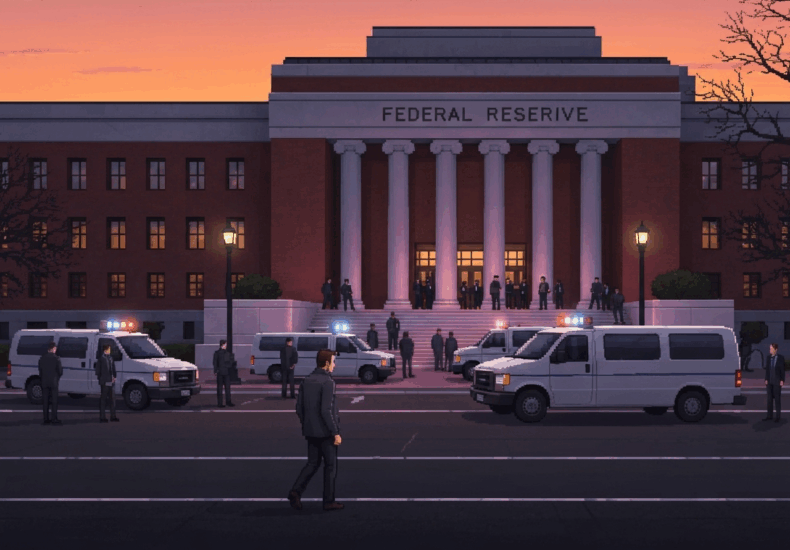
Trump Fires Fed Governor Lisa Cook Amid Controversy
Key highlights
- Trump published a letter saying he removed Fed Governor Lisa Cook “effective immediately,” citing “sufficient cause” tied to alleged conflicting mortgage filings.
- Cook denies wrongdoing, says the president has no authority to remove her, and refuses to resign.
- The dispute raises unprecedented legal questions about the “for cause” standard and the Fed’s independence.
- Traders initially saw market jitters, with attention on the dollar and rates as governance uncertainty rose.
- The clash escalates broader tensions between the White House and the Fed over interest-rate policy.
Introduction
In an extraordinary escalation of tensions with the U.S. central bank, President Donald Trump says he has fired Federal Reserve Governor Lisa Cook over alleged mortgage irregularities. Cook rejects the claim, asserting the president lacks authority to remove a sitting governor absent proven legal cause—and that none exists. The standoff now heads toward the courts, where the limits of presidential power over the Fed could be tested.
What Trump says happened

According to the letter he posted, Trump declared Cook “removed… effective immediately,” invoking a “for cause” standard and pointing to allegations that she signed mortgage documents designating two separate properties as a primary residence.
Cook’s response
Cook has denied any wrongdoing and says she will not resign. She argues the president cannot lawfully fire a Fed governor and that she will continue carrying out her duties as she has since 2022.
Why this is unprecedented
No modern precedent exists for a president successfully removing a Federal Reserve governor. The law’s “for cause” language has rarely, if ever, been tested in this context. Any court fight would likely turn on whether alleged conduct meets the threshold for removal and what due-process protections apply to independent-agency officials.Circumstances leading to Lisa Cook’s Dismissal.
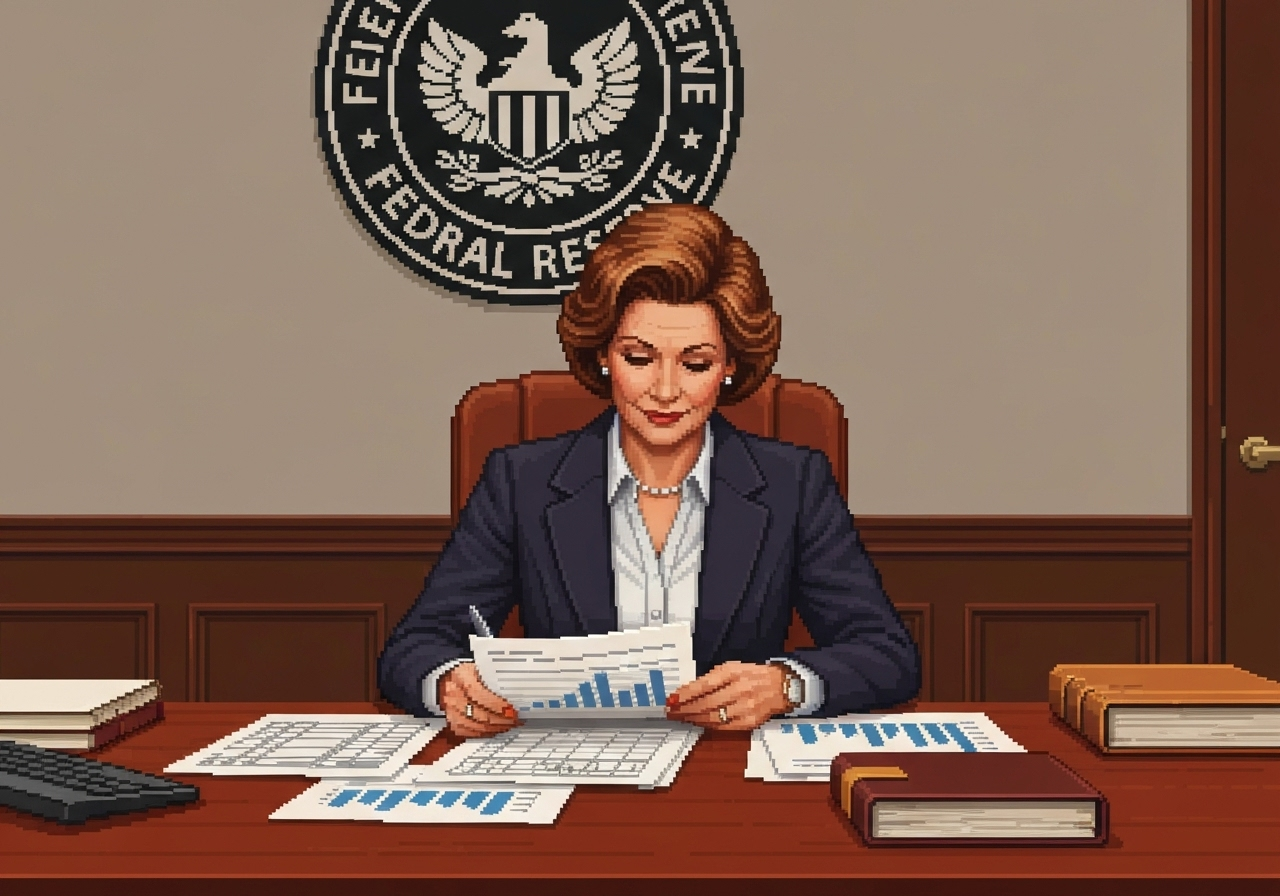
The announcement initially jolted sentiment as investors weighed potential pressure on the Fed’s autonomy and the path of interest rates. Beyond near-term volatility, the larger risk is institutional: a successful ouster could weaken perceived central-bank independence, complicating policy communication and credibility.
What to watch next
- Legal filings and injunctions: Expect rapid motions challenging any attempted removal.
- Fed operations: Whether Cook continues voting and attending meetings pending litigation.
- Political reaction: Statements from Congress and state attorneys general could shape the narrative.
- Markets: Dollar, front-end rates, and risk assets for signs of repricing Fed independence risk.
Background: Lisa Cook
Lisa Cook is an economist who joined the Fed’s Board of Governors in 2022 and was reappointed in 2023 to a term running to 2038. The allegations at issue involve mortgage documentation from 2021; Cook has unequivocally denied them.Conclusion
In the end, letting go of Lisa Cook from the Federal Reserve shows how politics and money matters often get mixed together. She did a lot during her time there. But, the way she was removed makes people ask big questions about who is in charge and how it should be done. If you follow money topics, it is important to know about these things. They can change how stable the markets are and how much people trust the system. Right now, Congress and many with money experience are still sharing their thoughts, and what they say will help decide what happens next with the Federal Reserve. Make sure to keep up with these updates, so you can see what it all means.
Leave a Reply