Stocks are Falling Amid Rising Geopolitical Tensions and Oil Prices
Stocks are resenting the turmoil in the Middle East
Key Highlights
- Global stock markets have tumbled sharply as tensions intensify between the State of Israel and the Islamic Republic of Iran.
- An oil price surge of over 4% has spurred inflationary concerns and rattled market sentiment further.
- Safe haven assets like gold and the U.S. dollar have gained traction, reflecting investors’ risk aversion.
- Stocks are falling over the world S&P 500 and Nasdaq Composite experienced significant losses, showcasing vulnerability in U.S. markets.
- Sector-specific stocks, including energy and defense, have been notably impacted amidst the turmoil.
- The escalating conflict has global implications, with historical crises shaping investor strategies during similar uncertainties.
Introduction
Stocks are falling due to rising geopolitical tensions. Investors are now more worried because the Israel-Iran conflict might pull the United States into trouble too. Rocket fire, missile attacks, and more trouble in cities like Tel Aviv have caused stock markets to drop. Fuel prices have also gone up. Investors are now worried about inflation and how long the unrest in the region will last. In the middle of all this, there are many questions about what the U.S. will do next and how this could affect the financial markets.
Overview of the Global Stock Market Decline
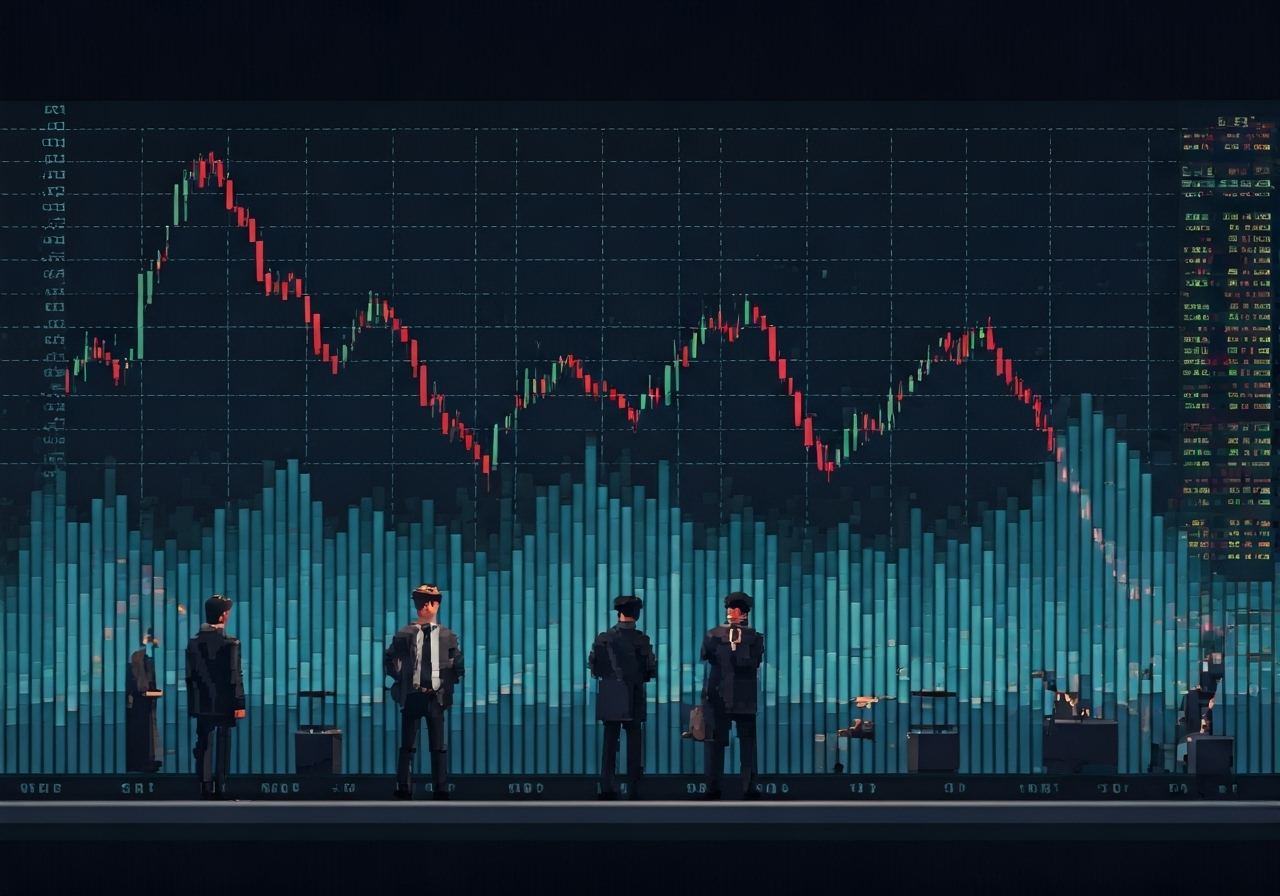
Major global stock markets were down, reflecting current woes ove geopolitical turmoil
The conflict between Israel and Iran is having a big impact on stock markets around the world. According to Reuters there has been a third drop in a row for the European STOXX 600, marking its biggest week-on-week since April. This shows that there is growing worry from investors. Similar drops happened in Asian and American markets too. Oil prices are going up because people fear there could be problems getting enough supply. This is causing more inflation and making the people and companies have a hard time.
The International Monetary Fund says soaring energy costs and trouble in trade can slow down growth even more. The European Union is still talking about what to do next. Investors are worried the risks will keep going up and that these could get in the way of trade between the largest economies. People are now turning to safer places for their money, and central banks in many countries might rethink their plans to help keep the markets and growth in balance.
Major Indices Impacted Worldwide
Around the world, stocks are falling. Global stock indices saw sharp drops after more trouble broke out between countries. In Europe, the STOXX 600 fell by 0.6%. That was its lowest point in weeks. It hurt the biggest industrial hubs in the largest cities. This week, it dropped by 2.5%. This shocked the market, which is already unstable because of higher tariffs.
Asian markets also dropped. Both Japan’s Nikkei and Hong Kong’s Hang Seng indices went down. The sharp changes in the market reminded people that the balance in world trade, mostly for places that must buy energy, could weaken.
At the same time, places in South America that rely on energy production had less buying power, as their currency values went down. These new markets, which depend on exports, now face bigger risks, as oil and other main export prices swing up and down because of the crisis.
Performance of U.S. Markets
In the United States, there was a big drop in major stock indices because of rising tension between Iran and Israel. The S&P 500 futures fell by almost 1%. This loss kept going as investors worried about inflation and a slow economy. Most U.S. markets were closed because of a public holiday, but talk from President Donald Trump’s White House about possible military involvement made Wall Street even more uneasy.
Traders are now trying to figure out what policy the administration will follow. Trump’s unclear words—“I may do it. I may not do it”—bring even more uncertainty to markets that were already up and down. Many economists see this as similar to past problems with the economy that came from crises in the Middle East.
Some sector-specific stocks, especially those in defense and energy, became more jumpy. The technology sector saw losses too because people are more concerned about inflation now. Essential materials are more expensive, so this is hurting tech companies also. Rising prices could leave a long impact on industries that deal with people directly.
European Stock Market Movements
Stock markets in the European Union dropped because investors found it hard to measure the risks from the fight between Israel and Iran. The STOXX 600 index dropped sharply, especially in Eastern Europe. Many countries there bring in most of their energy and now they have to deal with higher oil prices. Cambridge University Press also pointed out that markets often react this way during other world conflicts. They said this is like what happened to the markets earlier this year when there were new tariffs.
The energy sector had mixed feelings. Some groups think there will be more oil and gas production, which could cover any jump in demand. But higher costs and trade worries in the European Union make it tough for people who make products to decide what to do, especially when sending these products to other countries.
Markets in Eastern Europe have been hit harder than most. They rely on steady supply lines and are more at risk when the world gets shaky. Investors want leaders to take action because these places can’t handle long periods of high energy prices. People are moving their money away from risky choices because nobody really knows how the talks between countries will settle these problems.
Asian Market Reactions
Asian stock markets saw sharp falls as worries about the Israel-Iran conflict grew. Many of the stock indexes tied to trade around the world went down. This happened because the ancient Near East is still an important path for moving energy, and there are fears that these routes might get blocked. Japan’s Nikkei fell the most, with drops in many industrial stocks. Markets in Singapore and Seoul also fell by a lot.
One big reason for this worry is that these regions depend on oil imports. These oil shipments move through danger zones such as the Strait of Hormuz. When you look back at ancient Greek ways of thinking about weak spots and strength in the economy, you see why leaders today try to build strong and flexible systems. These systems help them deal with economic trouble that comes from problems far away.
India and China had their own trouble, with rising prices and drops in making goods. Shipping and textiles, two sectors connected to the ancient Egypt trade system, face more risks because war makes moving goods harder. This creates real problems for places that handle the region’s trade. Leaders in Asia are trying to act fast, but as they do this, people who invest money in these places are losing some trust.
Geopolitical Tensions: Israel-Iran Conflict
Tensions between Israel and Iran have now become much more serious. This has shaken stability in the Middle East. The Israel Defense Forces are hitting some of Iran’s nuclear weapons development sites. In answer, Iran is firing ballistic missiles at towns, which has brought strong criticism from around the world. The State of Israel says it will step up military actions to stop any more work on nuclear weapons.
Talks and other efforts to keep peace have broken down. People and countries are accusing each other. Both sides use strong words about what will happen next. Many worry about how this fight could affect the world in the coming years. The area is very important for oil, and it also controls some key trade routes. Both are vital to the world’s energy supply and economy.
Recent Escalations and Incidents
Israel stepped up its military action against Iran’s nuclear program. There were big airstrikes aimed at Natanz, where nuclear weapons development was taking place. In answer to this, Iranian armed forces fired ballistic missiles at Israeli cities, like Tel Aviv. This has made people worry that the fighting could soon spread to the West Bank and other nearby areas.
This week, there have been many bad events, like missile strikes that hit a hospital in southern Israel. These were said to be launched with precision-guided weapons by Iran. This makes international peace talks even harder. Israeli leaders called these attacks “war crimes” and said that Tehran must answer for them.
During all the bombing, Tehran used its air defense systems. They also warned that Iran’s civilian services could be affected. The Soroka Medical Center had to be evacuated because of the airstrikes. It shows that even people who are not in the fight, like those in a medical center, are getting hurt by what’s going on. Global aid groups are now worried about people getting injured and many people having to leave their homes.
What is the US Position? Is it going to get involved?
The U.S. is watching the increase in trouble in the Middle East very closely. This is mainly about what the Iranian government and its military capabilities are doing. In the past, President Donald Trump spoke up for a tougher approach. Now, people are talking again about the chance of military involvement of the U.S. in the conflict.
Working with Israel is key to fighting threats from militant groups and stopping new ballistic missiles. As things change, the White House is trying to decide the best way to keep talking but also show it can use strength if it needs to in this part of the world.
Oil Prices Rising and Markets Falling
Oil prices are going up over rising uncertainties in the global market
Recent news from the Middle East has caused oil prices to jump. This has made the market more unpredictable. When there is a risk of military action in this area, the energy sector can swing a lot. Traders are unsure about what will happen next, so prices can go up or down fast. This kind of change in oil prices can also affect the stock market. Many people want to look again at the risks involved in energy stocks at this time.
Looking back, history shows that this kind of oil price jump can cause bigger problems in the world economy. People might spend less, and they may feel less sure about the future. There are also more talks in global finance about how strong the supply chain really is and what can be done to keep energy safe.
Factors Driving the Oil Price Spike
There are a few main things that are causing oil prices to go up right now. One big reason is the growing trouble in the Middle East. People are worried about the oil supply, especially with the risk of problems around key places like the Strait of Hormuz, which Iran can block at any moment. This puts even more pressure on the limited oil supplies.
OPEC’s decisions about how much oil to produce also matter a lot. What OPEC does can change what people and investors think will happen next. So, all of these things together are making the oil market very unsteady. With so much going on in the Middle East, any small change can push prices up. All of this has a big effect on the world’s economy.
Effect on Consumers and Businesses
Rising oil prices put a big strain on both people and businesses. When energy costs go up, it becomes more expensive for families to travel and to heat their homes. Because of this, people have less money to spend on other things. They cut back, so businesses that depend on shoppers start to feel the pinch as families spend only on what they really need.
For companies, higher oil prices make it more expensive to run their day-to-day work. This is even harder on businesses that use a lot of oil. Their profits go down. Many companies react by raising the price of what they sell or by making less of it. This causes prices overall to go up for everyone.
Safe Haven Assets and the Strengthening Dollar
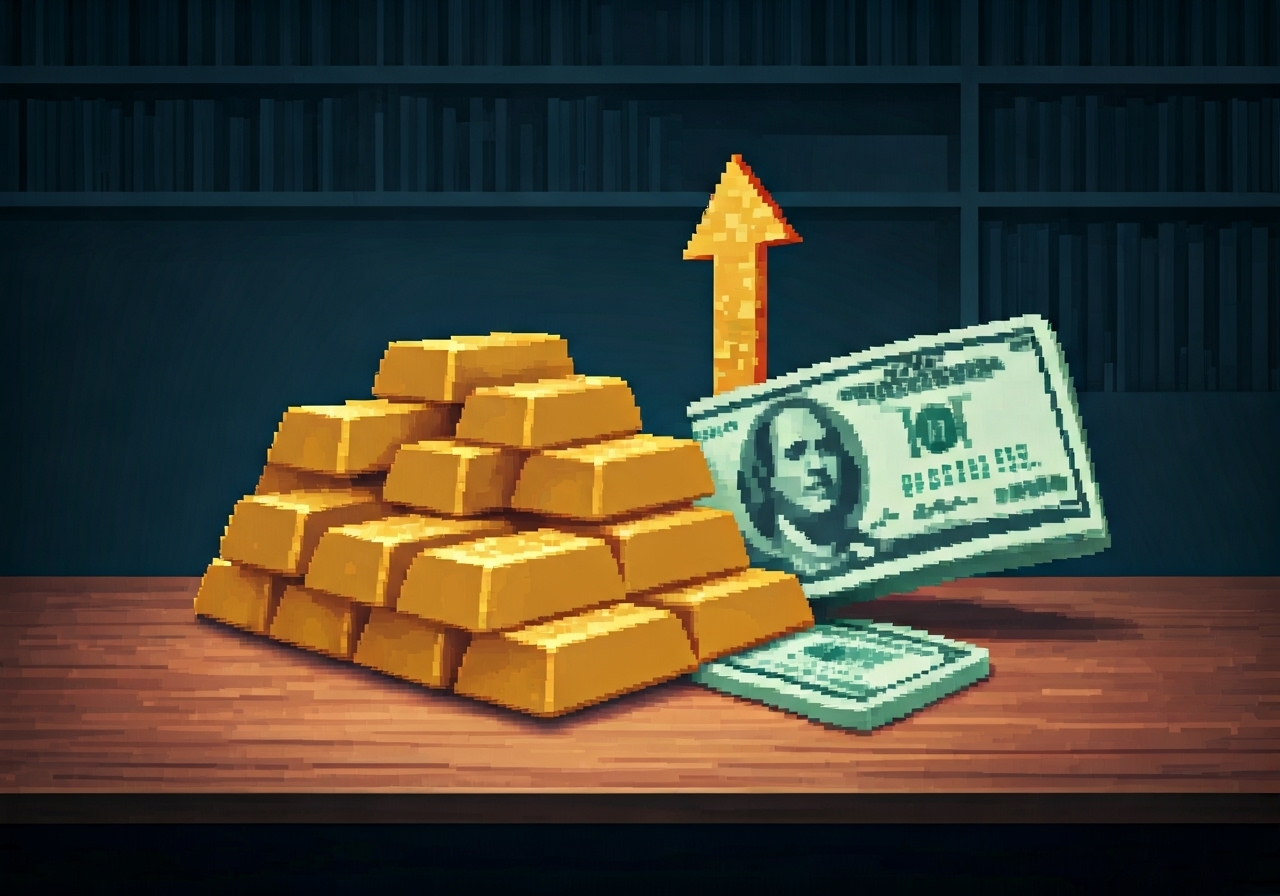
Dollar is rising due to its safe-heaven status
When the world goes through tough times, many people turn to the U.S. dollar, and it becomes a safe choice for them. Investors start to buy more of the dollar because they think it is stable when things are not clear, and this makes the dollar go up in value. The move to the dollar shows that people do not want to take big risks with their money in these days. At the same time, you will also see gold and government bonds become more popular because investors want to put their money somewhere safe. As the dollar gets stronger, it becomes harder for small or developing countries. They may start to see higher prices and less money coming in from other countries as foreign direct investment slows down. This all makes business between countries and financial markets around the world more tricky and tangled.
Why Investors Flee to the Dollar
When there is uncertainty in global markets, many investors move their money to the dollar. They do this because they see the dollar as a safe choice. The dollar is the world’s main reserve currency. This gives many people a sense of safety when things in the world feel unstable. If there is talk of military involvement or rising problems in different countries, more people try to avoid risk. There is often a move toward investments that people see as strong and safe.
The dollar is strong in part because there is good liquidity, and the U.S. economy is big and well-backed. This helps to make the dollar a good choice for people who want to keep their money safe. When something happens in the world, how people feel and what they do with their money often play a big role in how much demand there is for the dollar. The back-and-forth between how people think and what the markets do is very important.
Gold and Other Safe Haven Assets
Geopolitical tensions often push people to look for safe places to put their money. Gold is always a top pick for this. It has been a steady choice over time. Many people see it as a way to keep their money safe when things get shaky in the market. Gold protects against big changes and drops in prices. Some also look at government bonds or a few money types. These tend to hold their value when things go wrong in the world. Gold becomes even more popular when there is a crisis because there is only so much of it. It keeps its worth and helps protect money from rising costs. In tough times, many choose gold and these other assets. They help those who do not want to take big risks stay safe.
Consequences for Emerging Markets
Emerging markets often get hit hard when the world faces political or social unrest. This can have big effects on their economy. When things feel unsafe, foreign direct investment can drop because investors want somewhere safe for their money. This can make problems worse in these places. Many of them also see their money lose value, especially if they have to import a lot of goods. Oil prices changing fast can push up the cost of things and cause higher inflation. This makes it tough for local markets.
When there is more military involvement in a region, it can make it harder for countries to keep good relations with others. This may hurt trade deals and slow down their economies. Because of all this, countries with emerging markets must figure out tough problems. They try to move forward and reach growth but have to deal with what’s going on in the world and how it affects them.
Public Statements and Policy Signals
With rising tensions, clear messages from the White House matter now more than ever. What is said in public often shows if the United States may be thinking about military involvement or its plans on working with other countries. The words used in these statements, whether tough or open to talking, tell both friends and rivals where the United States stands.
Lately, President Trump has spoken in a way that tries to stop military threats but also asks for talks at the same time. This mix makes others watch how the United States responds. The way people read these messages can change how global markets act. It also changes how investors feel and make choices about things like foreign direct investment and being ready for military action. This shapes how people see the safety and security between countries.
Influence on Investor Sentiment
Geopolitical tensions can make investors feel unsure. When there is more military involvement or strong statements from leaders like the prime minister of Israel or President Trump, the feeling of worry grows. Investors watch what the Israeli military do because this can affect global stability. Social media spreads these events fast and shapes what people think. When there are conflicts in the Middle East, or concerns about it, oil prices may go up, and people worry even more. Many choose safe investments in times like this, instead of risking their money on things that could be up and down.
Investor Behavior in Times of Crisis

Investors are becoming more risk-adverse
When there is a lot of geopolitical instability, the market will often react strongly. Many investors want to avoid risk during these times. They might look at their portfolios again to make changes. Some people move their money into safe places like gold or the U.S. dollar.
Big investors sometimes use different strategies to protect their money. They use things like hedging or selling assets short to try to stop losses. On the other hand, smaller investors can let emotions take over. They may get scared and sell their investments quickly, which can push prices down even more.
If you look back at past crises, you can see a pattern. There is usually more up-and-down movement, and fear tends to lead the way. People stop making choices based only on logic. That is why it is good to know how these changes happen. If you can understand the way people act in these times, you may find good chances to act or defend your own investments better.
Risk Aversion and Market Sentiment
Market mood can change fast when there is tension between countries. When the news talks about possible military involvement and unrest, many people get worried and want to avoid risk. This can cause a lot of people to sell off stocks in sectors that are already up and down a lot, and they start looking for safer places to put their money. We have seen this pattern before during big events, like what happened after the Soviet Union ended and in recent issues in the Middle East.
At times like this, the way people feel has a big impact on what to do with their money. Media stories and what happens in the market push people to make choices based more on emotions. Investors often move their money into areas they think will be safer, as they try to keep out of trouble caused by changing global events and worry about things like military involvement.
Institutional vs. Retail Investor Actions
Institutional investors usually act with careful plans when there is a global crisis. They use their large amount of resources to look at risk and handle it well. The choices they make come from looking at big facts about the economy. So, they often respond by moving their money to safer places, like defensive stocks or safe haven assets.
On the other hand, retail investors can get scared and act without much thought during such events. They often listen to eye-catching news stories that make them nervous. This can cause them to rush and sell their stocks fast or try short selling.
Because of the way retail investors act, the market can see more ups and downs. For you to handle the market during hard times, it is important to understand how these two groups move and why.
Short Selling and Hedging Strategies
Short selling lets some investors try to make money when the market drops. This approach works best in times of big market swings, such as during world events that affect prices. In short selling, a person borrows stocks and sells them at the price now. Later, they hope to buy the same stocks back at a lower price. If that happens, they return the stocks to the lender and keep the difference.
Hedging is a way to lower possible losses. People use options or futures contracts for this. These tools can help a portfolio when markets go up and down, or when higher oil prices affect part of the market.
Knowing how short selling and hedging work can help investors handle a tough market. It gives them the chance to act fast when quick changes make good short-term chances appear.
Broader Economic Implications
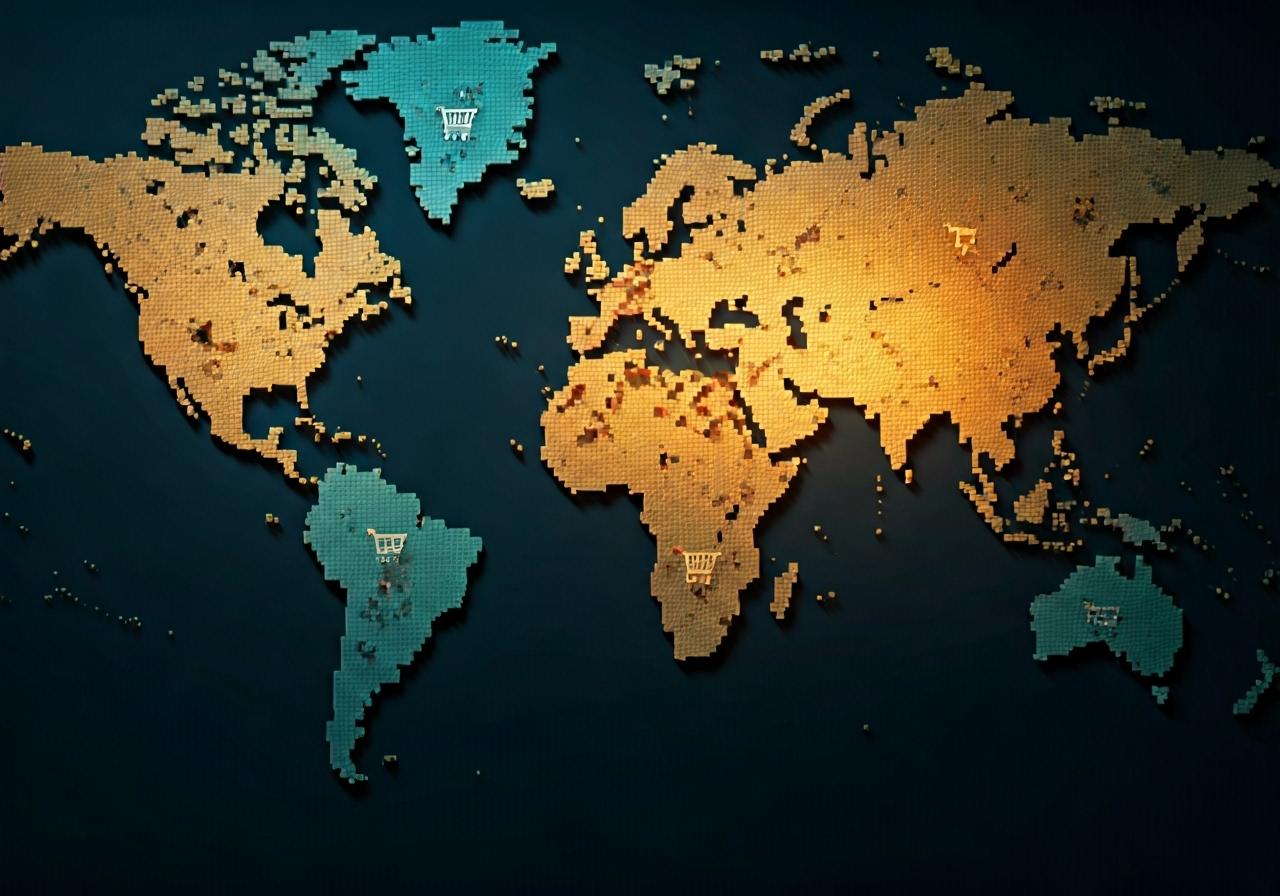
The economic implications of the current affairs in the Middle East are likely to be felt in many sectors of the global economy
The rise in oil prices hits the global economy hard. There are big issues seen through the whole supply chain. When the price of energy goes up, so does the cost of everything else, which leads to higher prices. This makes people worry, and many cut back on spending. You can look back at times like the oil shocks in the 1970s to see how countries, especially those that need to import a lot of oil, can really struggle. Companies have to spend more just to keep running. This may lead some businesses to let workers go or to stop growing for a while. Markets that are still growing can have it even tougher during these times. They often see foreign direct investment leave, as people with money to invest pull back or change their plans when the world feels uncertain or risky.
Global Supply Chain Disruptions
Problems in the global supply chain reach far and wide. These can make trade harder and add to the costs for everyone. When there are more issues between countries, like with the Middle East and the talk about U.S. military involvement, moving goods gets even tougher. People in the market feel unsure, which often leads to delays. This does not only push up oil prices, but it also slows down the flow of goods between countries.
The European Union and others must think again about how much they depend on some risky supply paths. The Strait of Hormuz is often named as a key weak spot in this chain. Because of all this, businesses will need to handle more risk. At the same time, there could be some new good chances for them in this new situation.
Inflationary Pressures from Higher Oil Prices
When oil prices go up, it puts a lot of pressure on the economy. It affects both people and businesses. The rise in oil prices can make moving things and making products more expensive. This often leads to higher prices for things that people buy and use.
For example, the cost of everyday items can go up. This makes it harder for families to stay on budget and leaves them with less money to spend on other things. Also, many companies might raise their prices so they can still make money. This can cause even more inflation.
The whole situation is tough for the people who manage money for the country. Central banks have to try to let the economy grow while also working on these growing inflation problems.
Consumer Confidence and Spending
A drop in consumer confidence usually comes before people spend less money. This can really hurt the stability of the economy. When there are issues between countries and oil prices go up, there is a lot more uncertainty. Because of this, people start to be careful with their spending. Many households take a close look at their finances, so they end up cutting back on buying things they do not need. This impacts areas like retail stores and hotels.
When people spend less, it makes its way through the market in many ways. This can change how much money businesses think they will make and how much they decide to invest. Economic research shows that when things feel unstable, most people want to save money, not spend it. This choice slows down growth and makes it harder for the economy to get back on track. If you want to see what might happen in the market, it is important to understand how these things work together.
Political Responses and Policy Tools
This issues could trigger a yet to be seen policy response
Diplomatic responses from countries around the world can change the way markets move when there is uncertainty. The United States and its allies often use sanctions and trade rules to target states they see as a threat to everyone’s safety. For example, they watch Iran and its missile programs in this way. Important diplomatic steps also happen at the United Nations. There, leaders talk about military involvement and what to do in tough situations where people need help. Governments can take other actions as well, like letting oil reserves out to try to steady up the market. These actions from politicians show how much what they do can shape the economy and sway how investors act when there is tension between countries.
Sanctions and Trade Policies
Sanctions and trade rules are important tools that countries use in international relations these days, especially as things get tense in the Middle East. The United States often uses these sanctions to put pressure on countries such as Iran. They do this to limit Iran’s military capabilities and its goals with nuclear power. These actions are meant to stop foreign direct investment and hurt important parts of a country’s economy that depend on global trade.
This can have effects on more than just the country facing the sanctions. It can also affect global supply chains and the way markets work all over the world. Right now, people are waiting to see how the international community, like the European Union and the United Nations, will react. Their next moves could change the way everyone deals with these issues in the future.
Conclusion
To sum up, when there is trouble between countries and oil prices go up, the financial world can change fast. People who put money in the market have to handle a rough ride. This is because things can go up and down quickly. There may be both risks and chances to make money. The use of safe haven investments and a stronger dollar helps some people feel better about the future, even when things seem out of control. In the past, sudden drops in the market have happened. So, it is smart for investors to plan ahead. While people watch what happens around the world, it is important to be flexible and strong. This helps people keep their money safe when times are tough and no one knows what the future will bring.
Frequently Asked Questions
Why do geopolitical tensions impact stock markets?
Geopolitical tensions make things uncertain, and people start to rethink the risks with their investments. This often makes the market move up and down a lot. People react quickly to any talk about conflict or a change in policy. Because of this, stock prices usually go down when there are worries about instability. This shows that there are bigger concerns about the economy for most people.
How do rising oil prices affect everyday Americans?
Rising oil prices can make life harder for everyday Americans. The cost of transportation goes up, and this makes goods and services cost more too. When prices rise, people have less money to spend. This hits household budgets and makes it tough for families to keep up with bills. As costs go up, people may start to lose confidence in the economy. Families then find it harder to manage their expenses.
What should investors do during global market turmoil?
During global market trouble, it is a good idea for investors to look at their portfolios again. They should think about spreading out their money and plan how to deal with risk. It helps to focus on safe-haven assets and keep some cash ready. You should also think about plans that are meant for the long run. This can guide you through times when the market goes up and down, and it keeps you from making quick choices just because of what is going on right now. If you need more help, talk to a professional.
Could the U.S. dollar continue to strengthen?
The U.S. dollar can stay strong because of a few things. These include interest rates, inflation, and how stable the world is right now. When the market is shaky, many people want safe-haven assets. This often means the dollar could get even stronger compared to other currencies. If this happens, it can change how global trade works for the U.S. and many other countries.
Which sectors are safest during geopolitical crises?
During times of trouble in the world, some sectors are seen as safer than others. Utilities, consumer staples, and healthcare often stay steady. The demand for what they offer does not change much because people always need these products and services. This can give investors some peace of mind when things are not sure in the market.
Leave a Reply